
303 Black Bears Killed in 2024
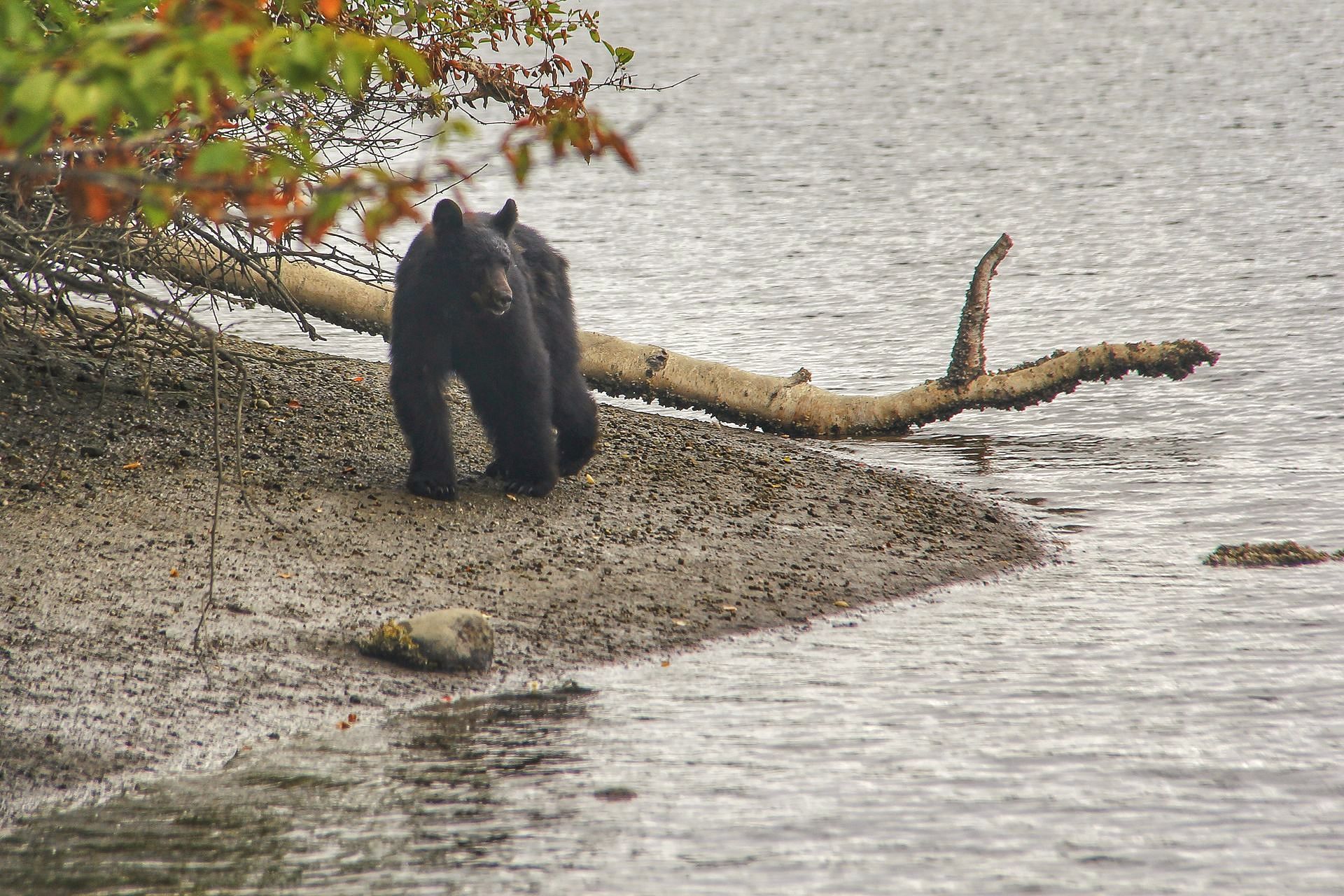
In 2024, British Columbia’s Conservation Officer Service (BCCOS) reported a significant drop in black bear euthanizations, with 303 bears killed—nearly half the number from 2023, when 603 bears lost their lives.
While this decline is encouraging and suggests progress in human-wildlife coexistence, the reality remains heartbreaking. More than 300 bears were still destroyed, each one a life lost. This is a reminder that we must keep working toward better solutions to protect both people and wildlife.
What can be done?
Reduce attractants
A primary cause of human-bear conflicts is the presence of attractants like unsecured garbage, pet food, and bird feeders. Communities can mitigate these encounters by implementing bear-proof waste management systems and educating residents on proper attractant storage. Simple actions, such as using bear-resistant bins and removing outdoor food sources, can significantly decrease bear intrusions into human spaces.
Public Education and Community Involvement
Awareness campaigns are vital in fostering coexistence. Educational programs in schools and community centres can inform the public about bear behaviour and safety measures. Engaging local organizations to promote wildlife stewardship encourages residents to take proactive steps in reducing attractants and reporting bear sightings responsibly.
Community members can also encourage their municipal governments to participate in Bear Smart BC. A program launched by the Ministry of Environment and Climate Change Strategy in partnership with the British Columbia Conservation Foundation and the Union of British Columbia Municipalities to reduce conflict with bears.
Policy and Enforcement
Municipalities should enforce bylaws that mandate secure waste disposal and penalize non-compliance. Regular monitoring and prompt response to violations can deter practices that attract bears. Additionally, supporting non-lethal management strategies, such as translocation and aversive conditioning, provides alternatives to euthanasia.
Transparency and Data Accessibility
The BCCOS's recent release of community-level black bear mortality data marks a significant advancement in transparency. Access to detailed statistics enables researchers, policymakers, and the public to identify hotspots of human-bear conflict and assess the effectiveness of mitigation strategies. Transparent data fosters accountability and guides evidence-based decision-making, ultimately contributing to the reduction of bear fatalities.
While the decline in black bear deaths in British Columbia is encouraging, continued efforts in public education, policy enforcement, and data transparency are crucial. By collectively adopting these measures, communities can further minimize conflicts and promote harmonious coexistence with black bears.
Sources: The Fur-Bearers; Fewest black bears killed by BC COS in 10+ years
The Government of British Columbia;
2024_black_bear_statistics_by_community.pdf
Critter Care Wildlife Society News

Sign up to get inspiring stories of rescue,
rehabilitation and release from Critter Care
Be the first to receive our newsletter, new blog posts, and updates
about our most critical needs and community news.